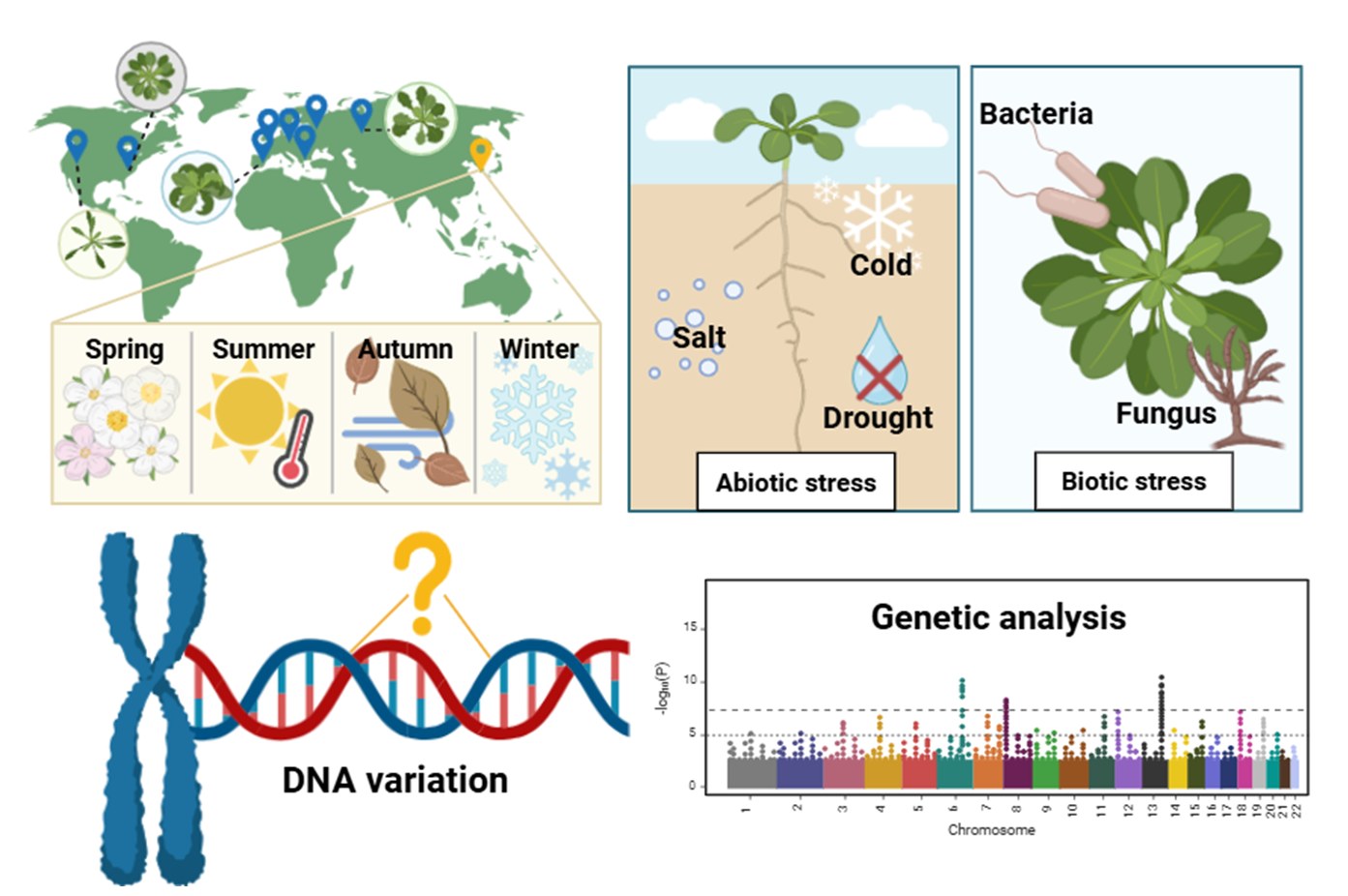
Program 01
Genetic variation and stress responses in Korean Arabidopsis thaliana ecotypes
Korean ecotypes differ in how they handle biotic and abiotic stress. SNP analysis and GWAS to find out why.
Seven programs, five systems — from natural variation in Korean Arabidopsis to metabolic engineering in liverwort. Each asks how an organism reads its environment and rewrites its own physiology in response.
Korean ecotypes differ in how they handle biotic and abiotic stress. SNP analysis and GWAS to find out why.
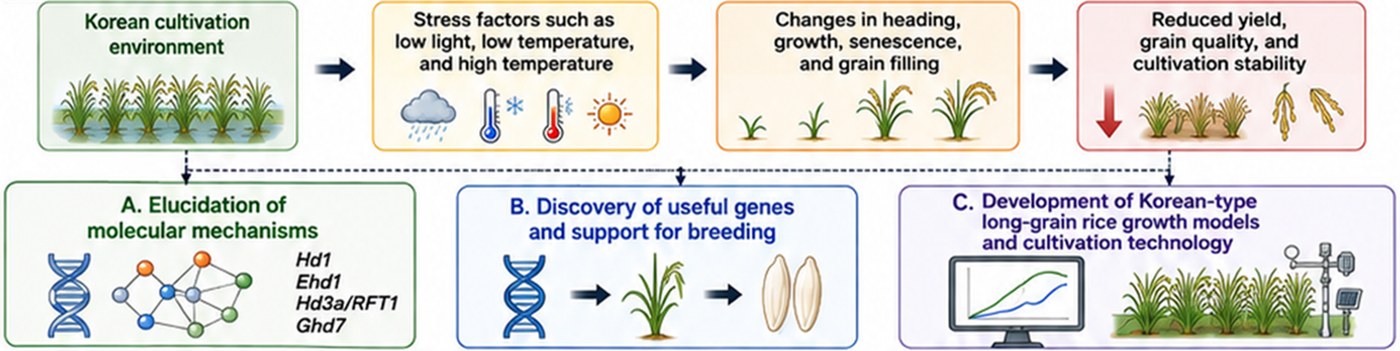
Japonica and indica rice under low light — growth, senescence, heading, and the genes behind the difference.
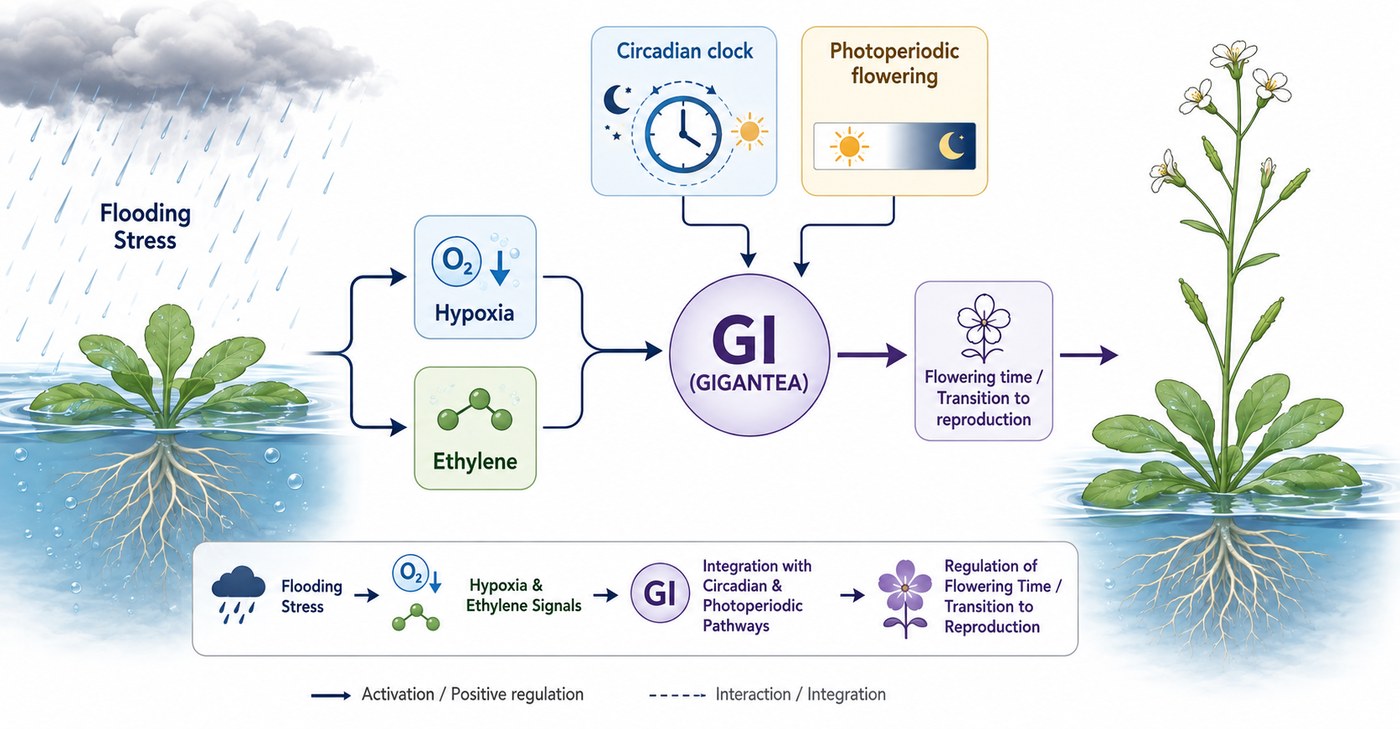
Flooding, hypoxia and ethylene meet the circadian clock. GIGANTEA sits at the junction.
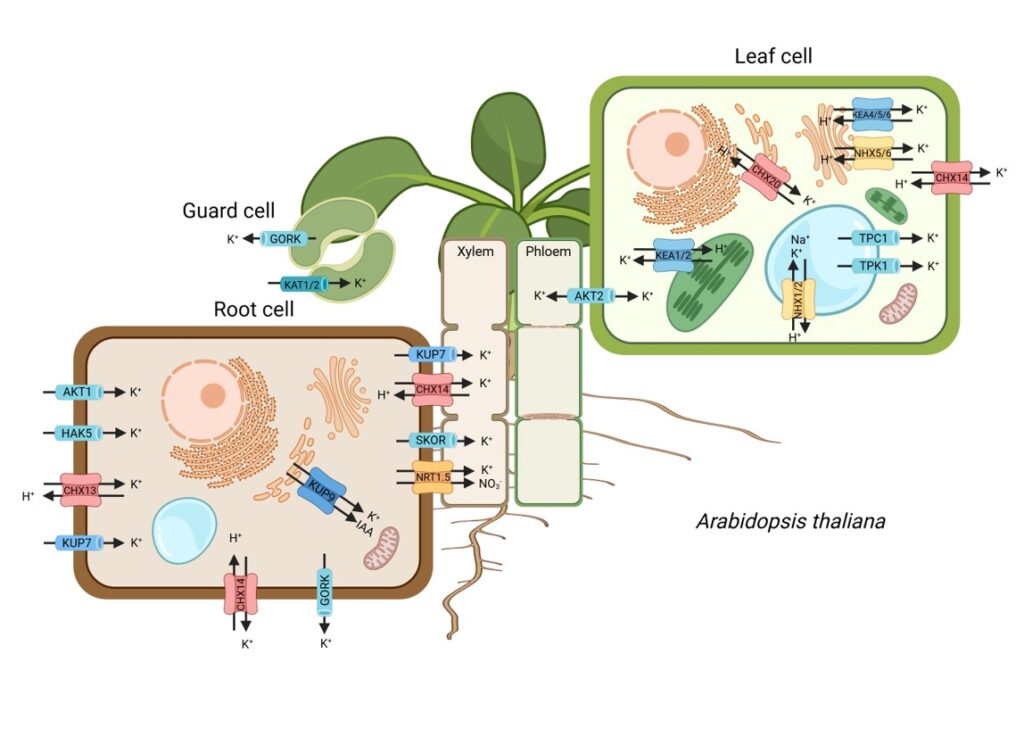
How K+ transporters such as AKT1 and HAK5 shape plant defense — and how pathogens exploit K+ homeostasis to suppress it.
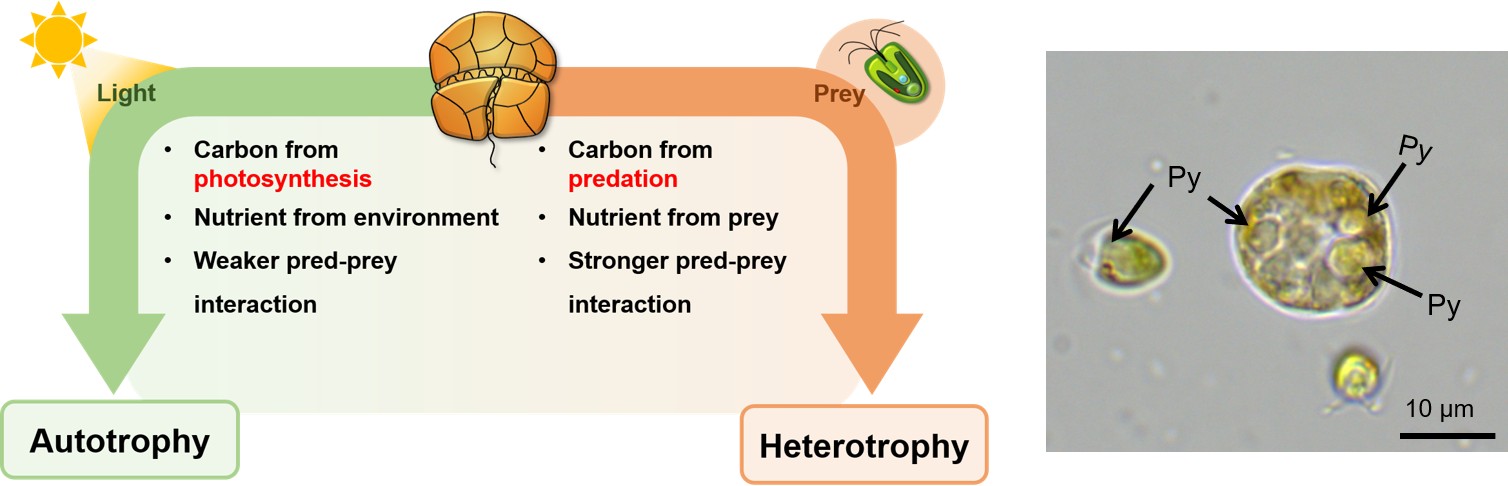
Salinity, light and prey availability switch Ansanella between autotrophy and heterotrophy. Is that switch epigenetically controlled?
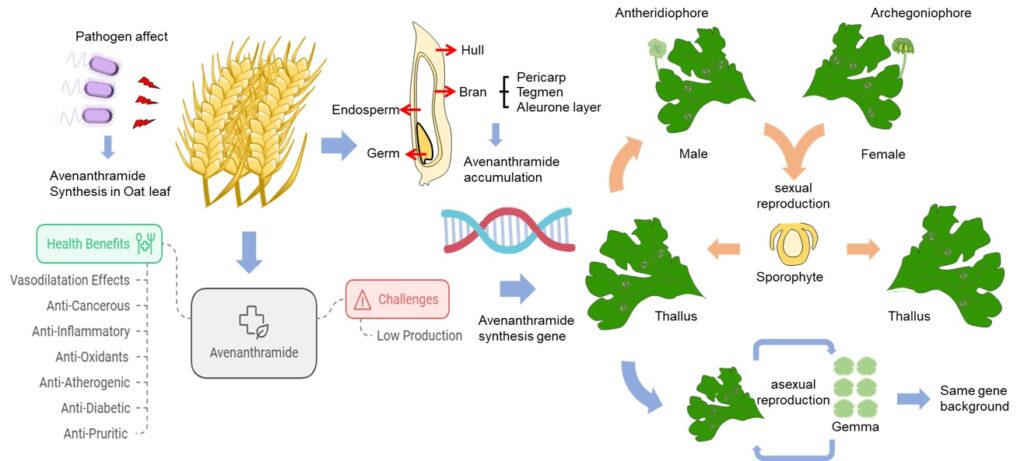
Engineering Marchantia polymorpha to make avenanthramide, an antioxidant whose natural yield in oat bran is far too low to scale.
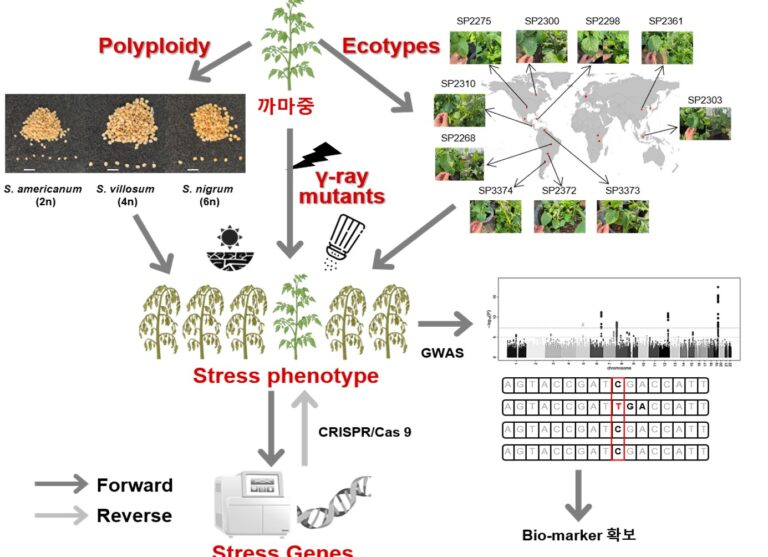
A wild Solanaceous crop relative that shrugs off salinity and drought. We use forward and reverse genetics to find out why.